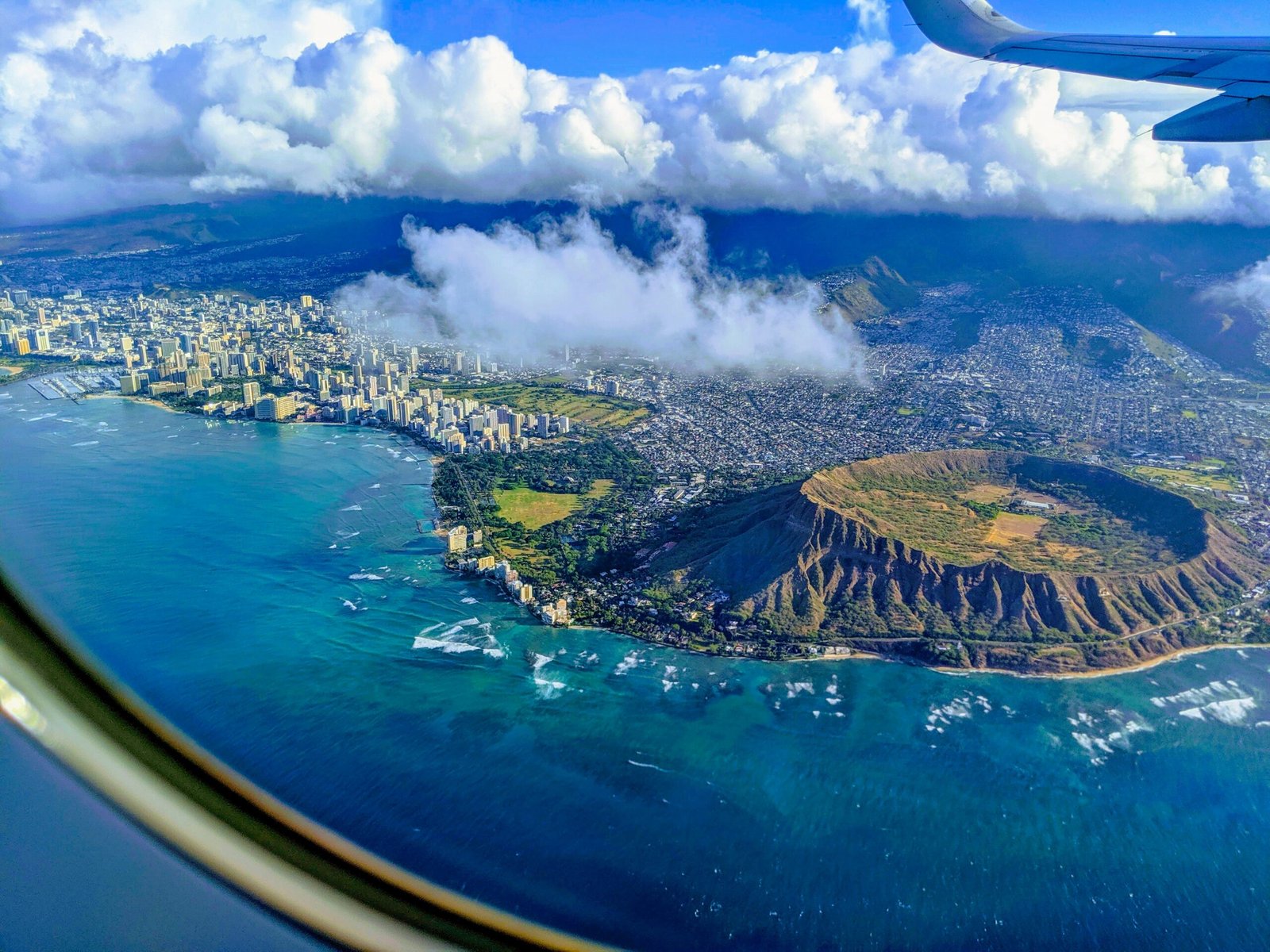
I was sitting in my Lisbon flat at 2 a.m., which is when the cheap seats actually open up, trying to figure out if Honolulu was even worth the jet lag. Everyone I knew had posted the same sunset photo from Waikiki, and I was about to blow a third of my exchange-year budget on matching it. The decision that mattered came down to one number: whether the €430 fare I was eyeing would still hold after taxes, and it wouldn’t. Here is what actually matters, in the order you should check it.
The price is not the price
The first thing that got me was discovering that a €430 round trip I found through the search I use was missing about €90 in what they call “carrier surcharges” that only show up on the payment screen. I nearly paid for a seat in April that would have landed me in Honolulu right as the trade winds shift, which locals will tell you means daily afternoon showers and humidity that makes your phone screen fog up, all because I was chasing cheap flights to hawaii without checking the fine print. What I learned is that you have to dig out the total cost, including the bag fee that Hawaiian Airlines will absolutely charge you for anything bigger than a backpack. That is a thirty-second check that saves you from standing at the gate with a credit card and a piece of luggage you thought was free.
The other thing I check now is what day of the week I am flying, because Tuesday and Wednesday flights into HNL are routinely forty euros cheaper than the weekend ones, and I have flown back on a red-eye that landed at 6 a.m. feeling like I had been through a washing machine. The forecast was right that morning, and so was the price: both told me what to expect before I committed, and both were wrong if I waited until the last minute to look.
The airport math
Honolulu airport is called Daniel K. Inouye International, but you will only ever see the letters HNL on your boarding pass, and it is about twenty minutes from Waikiki if the traffic is sane. The part that surprised me was the domestic terminal, which is where you land from the mainland, and how the walk from the gate to baggage claim is longer than the flight from Maui felt the first time. I made the rookie mistake of booking a connection with only an hour between landing and my next leg, which works fine in theory and absolutely does not work when you are behind a tour group of forty people all carrying surfboards. That hour turned into ninety minutes of standing still.
What I do now is give myself a solid three hours between any connection and my flight out, because the security line at HNL can back up to the food court on a Sunday afternoon. The earlier flight out of Honolulu leaves at 6:10 a.m., and I take that one now, alarm be damned. It costs nothing extra, and it beats the alternative of sprinting through a terminal with a carry-on that has become a personal project.
What you actually need to know
- Check the wet season dates, which run roughly November through March, and decide if you care
- Confirm the total price with fees before you click anything
- Book a midweek departure if you can, even if it means a weird hour
- Know that a hand-luggage-only trip to Hawaii means doing laundry in a sink
The weather changes, and so do the fares, and neither one owes me an explanation. What I trust is the habit I built after that first expensive mistake, which is comparing the all-in numbers before I get attached to any itinerary. If you want to skip the part where I spent a whole evening learning this, the site I book through is a decent place to start, and you can check it out when the price comparison gets overwhelming. The sunset will still be there, and so will the bill. Do the maths first.
Image: Unsplash, Savannah Rohleder