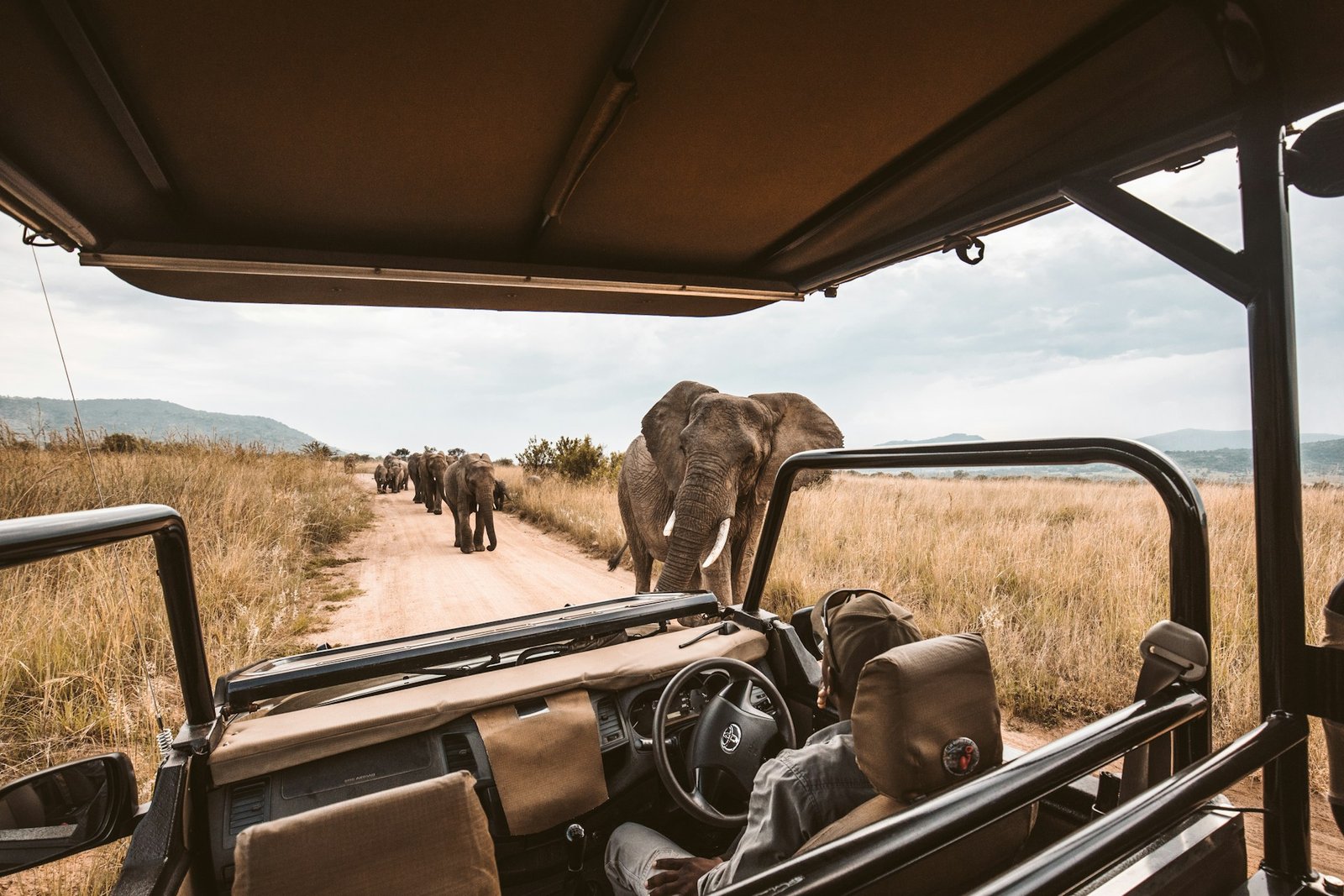
Group travel can be one of the most rewarding ways to experience Africa. You share the “wow” moments lion sightings at sunrise, elephants crossing the road, sundowners with a view and you also share the small things that make trips memorable: the jokes, the photos, the quiet conversations on long drives. But group travel adds a reality: more preferences, more energy levels, and more moving parts.
The good news is that a safari is naturally suited to groups when you choose the right style and pace. Before you even think about camps and game drives, it helps to lock in the “bookends” of the journey: arrivals, departures, and any pre/post-safari logistics. For groups travelling toghether, coach hire by 8rental can be a practical way to keep everyone together for airport-to-hotel transfers or event logistics so the safari itself starts smoothly.
Start with one key decision: what kind of group are you?
The biggest mistake in group safari planning is treating everyone as the same type of traveller. Safaris work best when the trip matches the group’s personality.
Friends often want a lively, social experience with flexible evenings and a bit of adventure. Families and multi-gen groups usually need comfort, shorter driving times, and a calmer daily rhythm. Corporate or incentive groups tend to value smooth logistics, good communal spaces, and a clear schedule.
Once you know your group type, everything else gets easier vehicle setup, camp choice, even meal planning.
Choosing the right safari style
“Africa safari” can mean very different experiences. The key is selecting the style that matches your group’s comfort level and expectations.
Lodge safari: comfort and ease
If your group wants a smooth trip with good beds, strong food, and a relaxed flow, lodges are the safest option. You typically get a predictable routine game drive, meals, rest time, another drive and the comfort helps keep everyone happy over multiple days.
This style is often best for mixed groups where not everyone is a “hardcore” traveller.
Mobile or tented safari: adventure and immersion
Tented and mobile safaris can be incredible more immersive, often closer to the bush experience, and very memorable. But they require the group to be aligned on comfort. If half the group expects hotel-level convenience and the other half wants “wild,” you’ll feel that tension every day.
For aligned friend groups, it can be perfect. For mixed comfort levels, it can be risky.
Self-drive vs guided: be realistic about group dynamics
Self-drive sounds appealing, but it can create stress in groups navigation, responsibility, decision-making, and fatigue. Guided safaris remove those friction points and allow the group to focus on the experience.
If this is your first group safari, guided is usually the smoother choice.
Pace matters more than packing in “the most”
Many group safari plans fail for one simple reason: they try to do too much.
A safari is not a city break. Long drives between parks, early starts, and repeated game drives can be tiring even for experienced travellers. A good group pace includes downtime. That’s when people process what they’ve seen, recharge, and actually enjoy the camp or lodge.
A simple rhythm that works
For most groups, the sweet spot is a structured day with breathing room: early drive, relaxed midday, late drive. Overplanning the middle of the day extra activities, long transfers, constant movement often creates fatigue by day three.
If your group is multi-gen, reduce intensity further. Shorter drives and fewer location changes usually create a better overall experience than a packed itinerary.
One camp or multiple locations?
Moving camps can be exciting, but it adds complexity packing, travel days, check-in routines, and less time to actually settle into the safari rhythm.
For groups, one main base is often the most enjoyable, especially for a first safari. If you want variety, consider a two-base itinerary rather than hopping every night.
A useful rule: if the group is travelling for a week, one or two bases is usually enough. More than that can feel like you’re always “in transit.”
How to pick the right destination for a group
Different destinations suit different group styles.
If the group wants iconic wildlife with a classic safari feel, you’ll likely aim for well-known game areas where sightings are strong and logistics are established. If the group wants quieter spaces and fewer vehicles, you may prioritize more remote regions and smaller conservancies.
The key is matching destination to expectation. If someone in the group is dreaming of big-cat sightings and another person wants a tranquil, low-crowd experience, you can often meet both goals but you need to decide which is the priority, because it shapes the location and season.
Group logistics that make the trip feel “easy”
Safari planning looks glamorous in photos, but the trip lives or dies by a few practical decisions.
Vehicles and seating
Groups need clarity: will you all be in one vehicle or split? One vehicle keeps the group together, but it can limit comfort and viewing space if numbers are high. Two vehicles can improve experience, but it changes the social dynamic.
The best solution depends on group size and whether everyone wants the same style of game viewing.
Timing: departure flights and arrival windows
Safari travel often involves smaller domestic flights or longer road transfers. The simplest way to reduce stress is to bring arrival times closer together. For departure from Heatrow airport take bus rental in Amsterdam for group transfer toghether to Airport. When arrivals spread across an entire day, the group loses momentum, and the first day becomes a waiting game.
Health, documents, and essentials
Keep this simple but organised: passports, any required visas, travel insurance, and basic health prep. In group travel, one person forgetting a key document can disrupt everyone.
Keeping the group happy: the “expectation conversation”
A safari involves early mornings, dust, and long drives. It’s part of the magic but only if everyone expects it.
Before the trip, agree on:
- how early the group is willing to start
- whether downtime matters
- the comfort level everyone expects
- what’s most important: wildlife density, luxury, remoteness, or variety
This short conversation prevents disappointment later.
The best group safari isn’t the one with the longest list of parks. It’s the one that matches the group’s style, keeps the pace realistic, and makes logistics feel invisible. When you choose a trip rhythm that people can actually enjoy and you reduce friction around transport and arrival.